Specialist Dive Courses: Growing Your Diving Skills
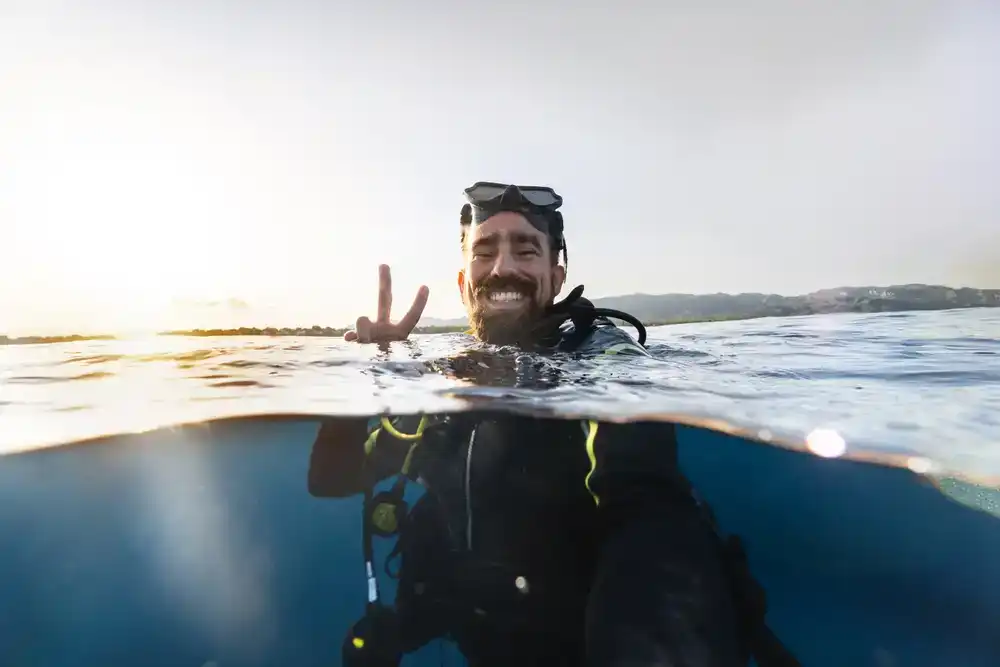
Once you are qualified with the Diver or Advanced Diver courses you will be able to start specialist courses. You will find a wide range of specialist courses available for you to take. Different dive centers will offer different courses depending on the location and the available dive sites.
Some specialist courses are required for some dives, while others are there to expand your own knowledge.
Which Specialist Courses should you do?
There is a wide range of courses to choose from, but which ones should you focus on? If there is a course you are interested in then do it, but here are the courses we recommend.
1 - Nitrox
Learning to dive with Nitrox means you can use gas mixes with more oxygen and less nitrogen. The Nitrox course (also called Enriched Air) will train you on the benefits and risks of diving with Nitrox. You will learn how to analyse gas mixes and set your dive computer to Nitrox mode.
The course is normally all theory, so you can do it from anywhere. Once you are Nitrox certified you will be able to dive with enriched air on your future dives.
The reason it is our first recommendation is that most dives on Nitrox are safer than on air. If you want to do deeper and longer dives then Nitrox will make them all safer. Nitrox is also one of the specialist certifications that you will certainly be asked for: if you want to join a dive that needs Nitrox then you will need to show a certification.
Nitrox certification is suitable for every diver and is a certification that will always be useful.
2 - Deep Diver
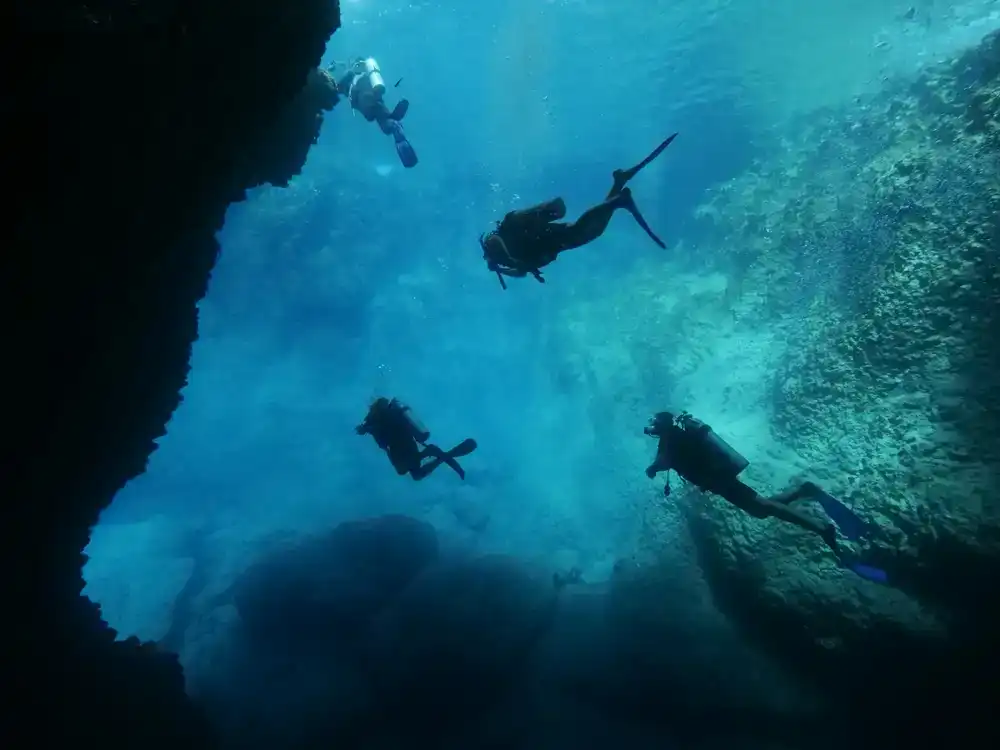
The Deep Diver course trains divers to go down to 40 metres. You will learn to manage your gas and how to plan for greater depths. You will learn procedures to manage deep dives, emergency procedures and safe ascent procedures.
The course will have a combination of theory and practical dives. A series of dives will be made, progressively going deeper until you reach 40 metres. The exact number of dives will depend on the dive center, but you should expect to progress over several dives.
We recommend the Deep Diver course because it opens up more dive sites to you. You might not want to dive that deep regularly (and most people don't), but if there is a particular dive you want to do on holiday or on a trip then you will be able to join it. Often when you find a dive you want to do it is too late to start the course, so doing it early is best.
Most training agencies require Advanced Diver Training and a minimum number of dives for the Deep Diver course. Nitrox is not normally a requirement, but we highly recommend it as it will make the deeper dives safer and easier.
3 - Dry Suit Diver
The Dry Suit course will teach you to use a dry suit in colder water. Most divers learn to dive in warm water with wetsuits, and the idea of diving in the cold can be intimidating. Dry suits are specialist equipment that you need to learn about, and once you have some experience you will be able to dive anywhere.
Lots of divers get used to dry suits and use them everywhere. Most technical divers use dry suits exclusively to stay warm on long, deep dives, even in warm weather.
The dry suit course will include some theory followed by some sheltered water practice and some open water dives.
Dry suit training is helpful for any diver who wants to expand their range of diving.
Other Specialist Courses
There is a wide range of other specialist courses you can take. If you are interested in a particular type of diving or equipment then the specialist course is a great place to start. Courses like Wreck Diver, Full Face Mask and Altitude Diver will all be helpful if you are interested in that sort of diving or equipment.
We normally avoid courses that are just a type of everyday diving, such as Boat Diver or Shore Diver, because they don't add much and you will never be asked to show you have those certifications. Some people might enjoy them, but we find them unnecessary most of the time.